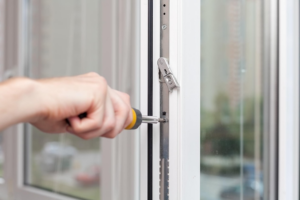
The Essentials of House Lock Repair: Ensuring Home Security and Convenience
In the realm of home maintenance, the value of a well-functioning lock can not be overemphasized. Locks function as the very first line of defense versus intruders and unapproved access, guaranteeing the safety and security of property owners and their belongings. Nevertheless, locks, like any other mechanical gadget, can break, breakdown, or end up being harmed over time. When this happens, it's crucial to address the concern without delay to prevent prospective security breaches and the inconvenience of being locked out of one's own home. This article digs into the vital aspects of house lock repair, providing homeowners with the understanding and tools they need to preserve and restore their locks successfully.
Understanding Common Lock Issues
Before diving into the repair procedure, it's important to recognize the typical concerns that can occur with home locks. Identifying the problem correctly is the very first action toward a successful repair. Here are a few of the most regular lock-related problems:
Key Sticking or Jamming:
- Cause: Dirt, debris, or wear and tear can cause secrets to stick or jam in the lock.
- Option: Lubricate the lock with graphite powder or a silicone-based lubricant. If the concern continues, the lock may require to be disassembled and cleaned.
Lock Not Turning:
- Cause: This can be due to a misalignment of the lock's internal elements, such as the cylinder or tumblers.
- Solution: Use a lubricant to release up the mechanism. If window lock installation doesn't work, the lock might need to be replaced or fixed by an expert.
Lock Not Engaging:
- Cause: The lock's deadbolt or lock might not be lining up effectively with the strike plate.
- Option: Check the positioning of the strike plate and the lock. Change the strike plate if essential, or tighten the screws on the lock.
Lock Broken or Damaged:
- Cause: Physical damage from forced entry or wear can cause a lock to break.
- Option: Replace the damaged lock. If the lock belongs to a bigger security system, speak with an expert locksmith professional to ensure compatibility and security.
Secret Not Fitting:
- Cause: The key may be used out, or the lock's keyway might be damaged.
- Option: Have the essential re-cut by a professional locksmith professional or replace the lock.
DIY Lock Repair Tips
For minor issues, property owners can typically deal with the repair themselves. Here are some detailed guides for common DIY lock repairs:
Lubricating a Sticking Lock:
- Materials Needed: Graphite powder or a silicone-based lube, a little brush or container.
- Steps:
- Insert the key and turn it back and forth a number of times to loosen up any debris.
- Use a small quantity of lube directly into the keyhole.
- Work the type in and out of the lock to distribute the lube.
- Clean off any excess lubricant with a clean fabric.
Adjusting the Strike Plate:
- Materials Needed: Screwdriver, drill, and an utility knife.
- Steps:
- Close the door and observe the gap in between the deadbolt and the strike plate.
- If the gap is too large or too little, loosen the screws on the strike plate.
- Adjust the position of the strike plate to align with the deadbolt.
- Re-tighten the screws and test the lock to guarantee it engages properly.
Cleaning Up a Dirty Lock:
- Materials Needed: Compressed air, a small brush, and a cleaning service.
- Actions:
- Use compressed air to blow out any dirt or debris from the keyhole.
- Dip a small brush in a cleansing option and carefully tidy the keyhole.
- Rinse the lock with water and dry it thoroughly.
- Apply a lube to the tidy keyhole.
Changing a Broken Lock:
- Materials Needed: New lock, screwdriver, and drill.
- Steps:
- Remove the screws that hold the lock to the door.
- Thoroughly pull the lock out of the door.
- Install the brand-new lock, following the manufacturer's guidelines.
- Test the brand-new lock to ensure it runs smoothly.
When to Call a Professional
While lots of lock concerns can be attended to with DIY services, some problems need the expertise of an expert locksmith professional. Here are a few scenarios where expert assistance is suggested:
Complex Lock Mechanisms:
- High-security locks and electronic locks often have complex mechanisms that are best managed by professionals.
Locks That Won't Open:
- If a lock is entirely frozen or a crucial breaks off inside, a locksmith can extract the broken key and repair or replace the lock.
Rekeying the Lock:
- Rekeying a lock to fit a new secret is a specialized job that a locksmith professional can perform efficiently.
Custom-made Security Solutions:
- For property owners looking to update their security with custom locks or advanced systems, an expert locksmith professional can offer tailored recommendations and installation services.
Maintenance to Prevent Future Issues
Regular maintenance can significantly extend the life of your house locks and avoid numerous typical problems. Here are some ideas for preserving your locks:
Lubricate Regularly:
- Apply a thin layer of lubricant to the lock's keyway every couple of months to keep it moving smoothly.
Keep Locks Clean:
- Use a soft cloth to wipe down the lock and keyway to eliminate dirt and gunk.
Check for Wear:
- Inspect the lock and secret for indications of wear, such as scratches or damages. Replace worn parts to prevent breakdowns.
Check the Lock:
- Periodically test the lock's operation. If you discover any tightness or problem, address the concern quickly.
Display the Weather:
- Extreme weather can impact lock efficiency. Apply weatherproofing items to outside locks to safeguard them from the aspects.
FAQs
Q: How often should I lubricate my home locks?
- A: It's an excellent concept to lube your locks every 3 to 6 months, depending upon usage and environmental elements. High-traffic locks or those exposed to severe weather condition might require more frequent lubrication.
Q: Can I use WD-40 to lube my locks?
- A: While WD-40 can assist clean up and oil locks briefly, it's not the very best choice for long-lasting use. Graphite powder or a silicone-based lube is more effective and less likely to attract dirt and debris.
Q: What should I do if my crucial breaks off in the lock?
- A: If a key breaks off in the lock, do not attempt to eliminate it yourself, as this can worsen the issue. Call an expert locksmith who has the tools and knowledge to extract the damaged crucial securely.
Q: How can I inform if my lock requires to be replaced?
- A: Signs that a lock requirements replacement include trouble in turning the key, a key that no longer fits, visible damage to the lock, or regular sticking. If you observe any of these issues, it's time to think about a brand-new lock.
Q: Are there any tools I should keep on hand for lock maintenance?
- A: A standard toolkit for lock maintenance need to include a screwdriver, a cylinder of graphite powder or silicone lubricant, a little brush, and an utility knife. For more sophisticated jobs, a crucial cutting device and lock picks may be useful.
Home lock repair is a vital element of home upkeep that makes sure the security and benefit of property owners. By understanding common lock problems, following DIY repair pointers, and knowing when to call an expert, house owners can keep their locks in ideal condition. Routine upkeep and timely repairs can prevent minor concerns from escalating into significant security issues. Whether you're a DIY lover or prefer professional help, looking after your locks is a crucial action in safeguarding your home and loved ones.
By staying informed and proactive, property owners can take pleasure in the peace of mind that features knowing their locks are reliable and protected.